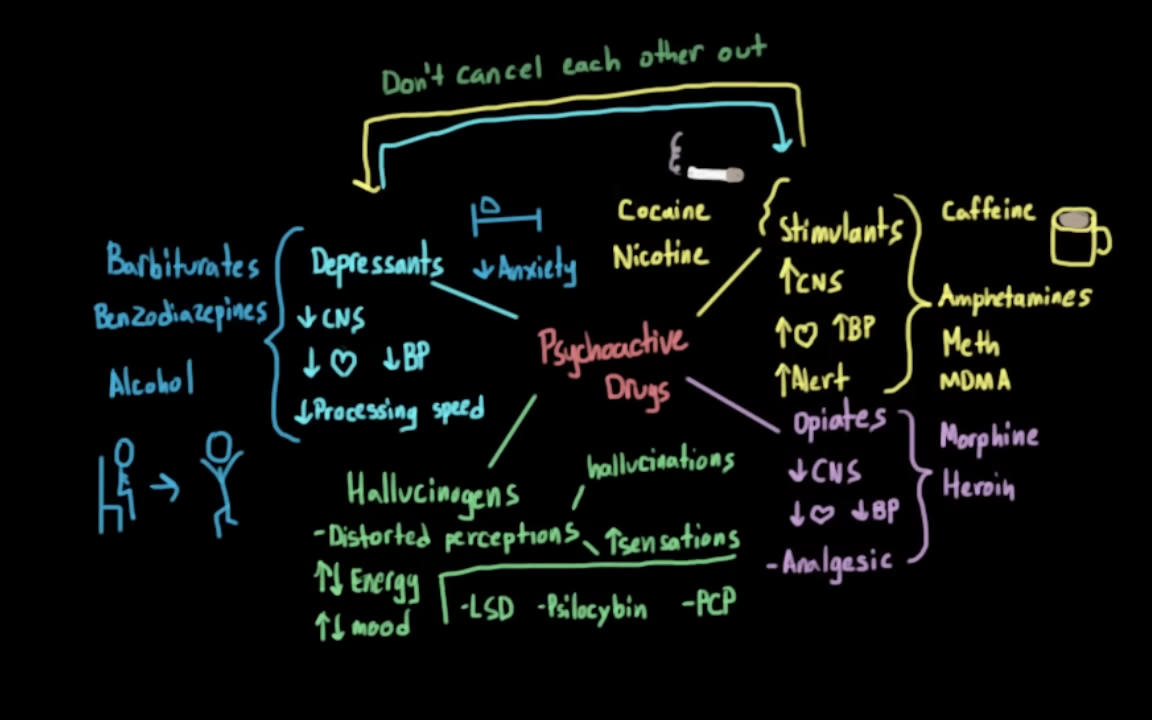
Psychoactive Drugs
Whats the half life of various psychadelic substances?
| Substance | Approximate Half-Life | Typical Duration of Effects |
|---|---|---|
| LSD | 3–5 hours | 8–12 hours |
| Psilocybin | 1–3 hours | 4–6 hours |
| Psilocin | 2–4 hours | 4–6 hours |
| DMT | 10–20 minutes | 5–30 minutes (smoked/vaped) |
| Ayahuasca (DMT component) | ~1–4 hours | 4–8 hours |
| Mescaline | ~6 hours | 8–14 hours |
| 2C-B | ~2–5 hours | 4–8 hours |
| DOM | ~14–20 hours | 14–24 hours |
| MDMA* | ~7–9 hours | 3–6 hours |
| Ketamine* | ~2.5–3 hours | 45–90 minutes |
| Substance | Class | Half-Life | Typical Psychoactive Effects Last |
|---|---|---|---|
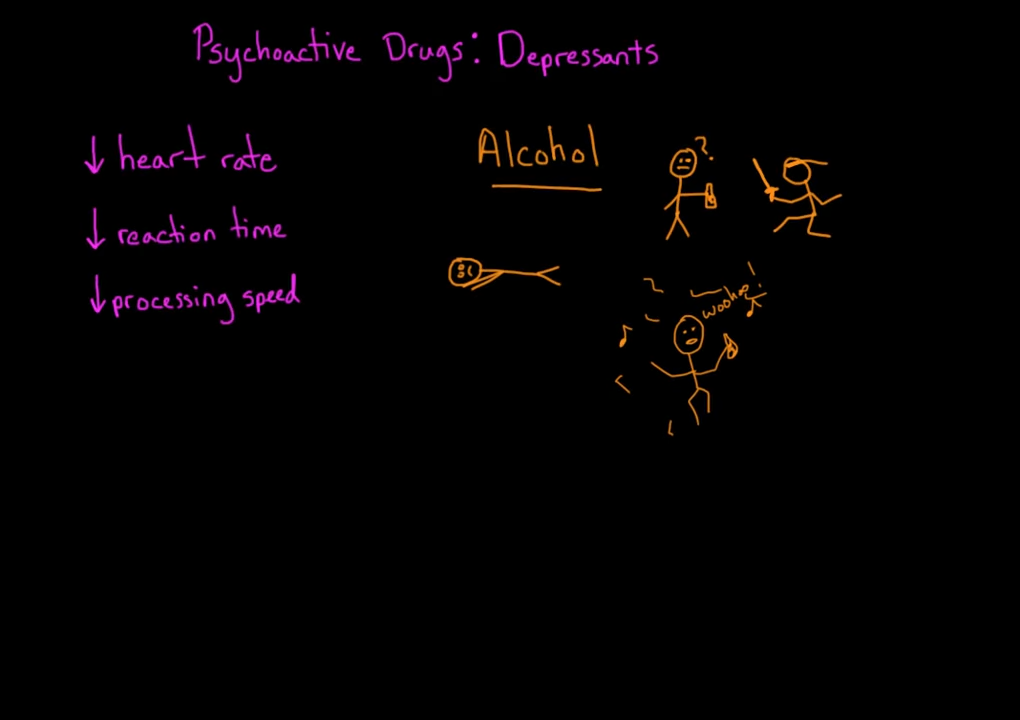
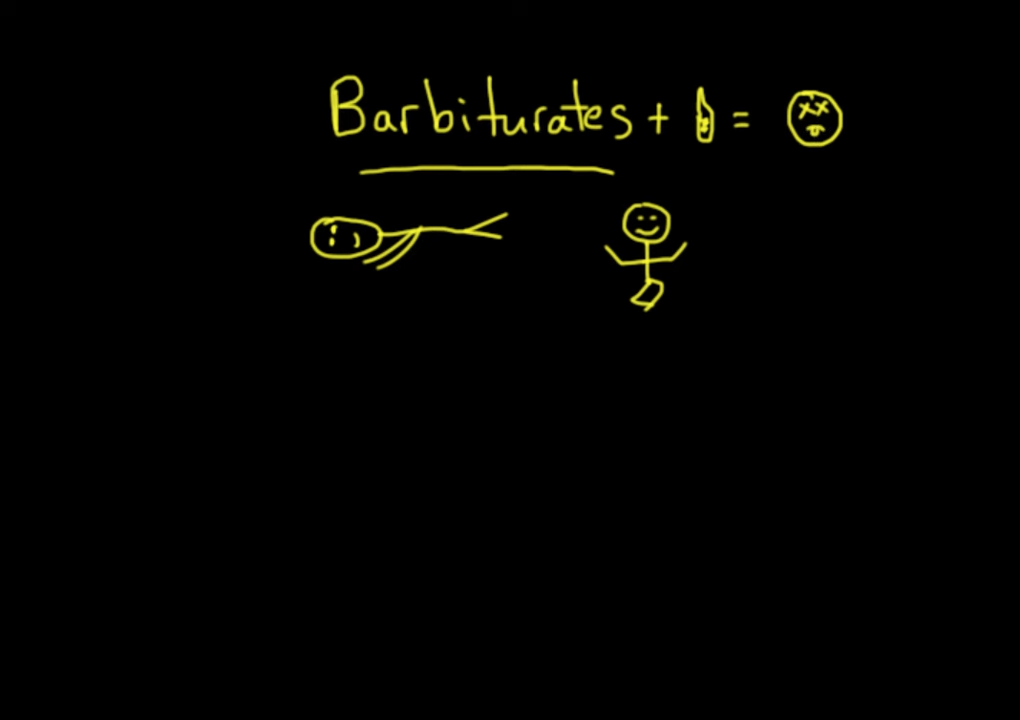
| Alcohol | Depressant | Not fixed | 1–12 h (depends on dose) |
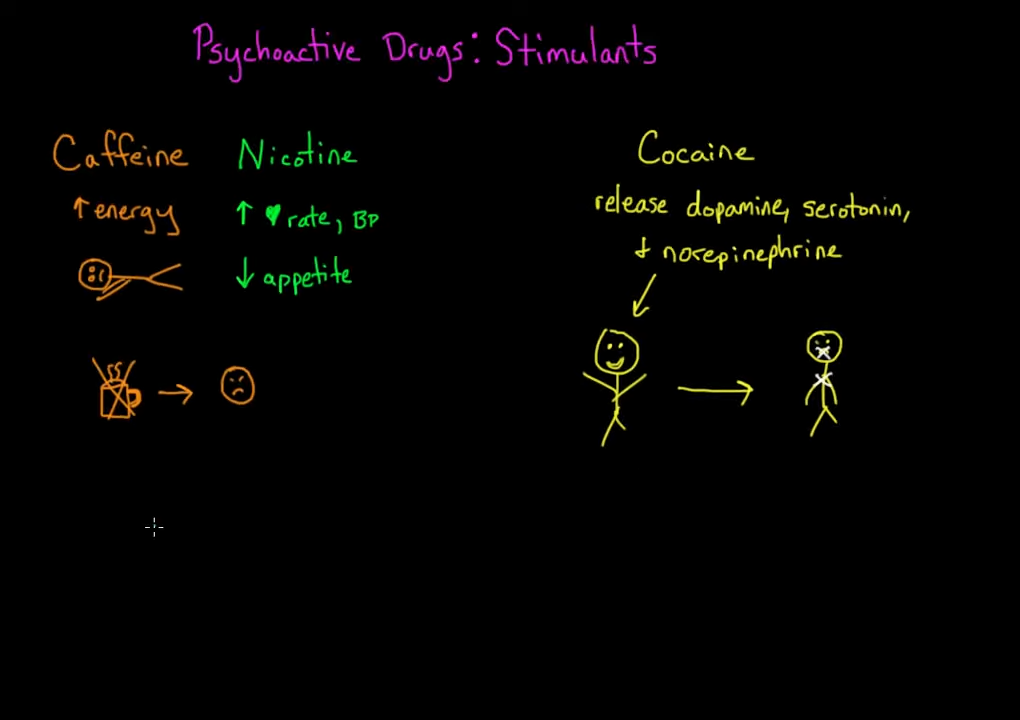
| Nicotine | Stimulant | ~2 h | 0.5–2 h |
| Caffeine | Stimulant | ~3–7 h | 3–8 h |
| Cocaine | Stimulant | ~0.7–1.5 h | 0.5–1 h |
| Amphetamine | Stimulant | ~10–13 h | 6–12 h |
| Methamphetamine | Stimulant | ~10–15 h | 8–16 h |
| MDMA | Empathogen | ~7–9 h | 3–6 h |
| LSD | Psychedelic | ~3–5 h | 8–12 h |
| Psilocin | Psychedelic | ~2–4 h | 4–6 h |
| DMT | Psychedelic | 10–20 min | 0.1–0.5 h |
| Mescaline | Psychedelic | ~6 h | 8–14 h |
| Ketamine | Dissociative | ~2.5–3 h | 0.75–1.5 h |
| PCP | Dissociative | ~15–50 h | 4–8 h |
| THC | Cannabinoid | ~20–30 h | 2–8 h |
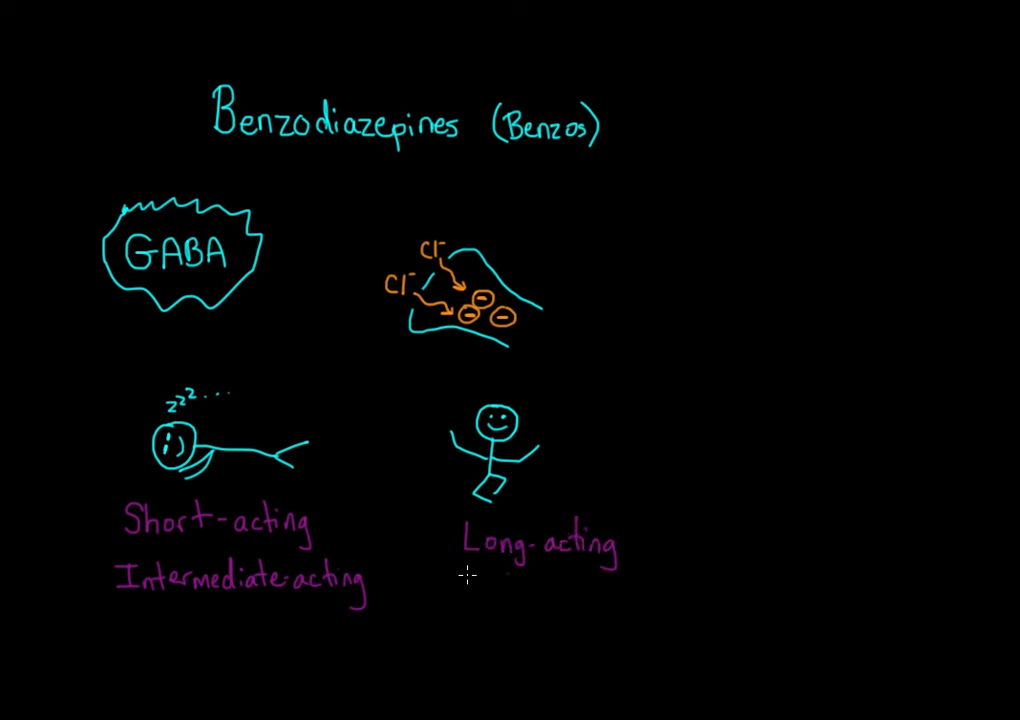
| Diazepam | Sedative | ~20–50 h | 4–12 h |
| Alprazolam | Sedative | ~11 h | 4–6 h |
| Lorazepam | Sedative | ~10–20 h | 6–8 h |
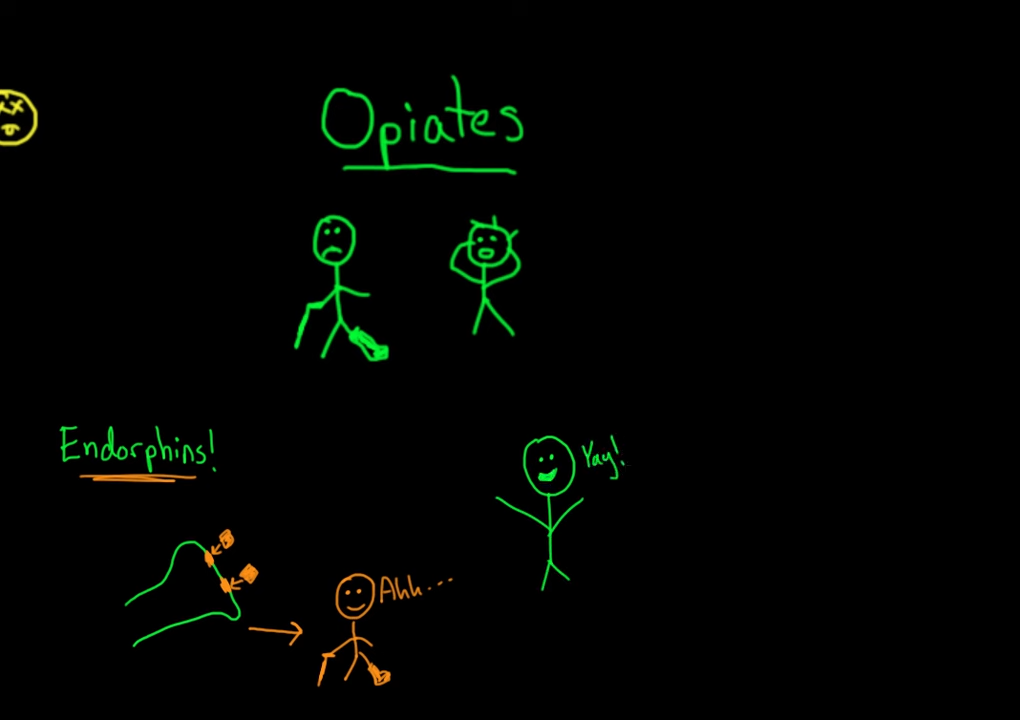
| Morphine | Opioid | ~2–4 h | 3–5 h |
| Heroin | Opioid | ~2–6 min | 3–5 h |
| Fentanyl | Opioid | ~3–12 h | 1–6 h |
| Methadone | Opioid | ~8–59 h | 24–36 h |
| Substance Type | Main Effects End | Possible After-Effects |
|---|---|---|
| Caffeine | 3–8 h | Trouble sleeping, jitters |
| Alcohol | Hours | Hangover for 6–24 h |
| Cocaine | <1 h | "Crash" with fatigue or low mood for hours |
| MDMA | 3–6 h | Fatigue, low mood, "mid-week blues" for 1–3 days |
| LSD | 8–12 h | Residual stimulation or difficulty sleeping |
| Psilocybin | 4–6 h | Usually mild afterglow for hours |
| Methamphetamine | 8–16 h | Exhaustion, sleep disruption, mood effects for days |
| Cannabis (THC) | 2–8 h | Mild impairment or grogginess into the next day for some people |
The half-life of cocaine itself is relatively short: about 0.7 to 1.5 hours in most adults.
That means every 0.7–1.5 hours, the amount of cocaine in the bloodstream drops by half.
However, cocaine is broken down into metabolites that last much longer:
- Benzoylecgonine (main metabolite): half-life around 6–8 hours
- These metabolites can be detected for:
- Urine: typically 2–4 days after use (longer with heavy/chronic use)
- Blood: about 1–2 days
- Saliva: about 1–2 days
- Hair: up to several months
how does partysmart tablet from himalaya company help then?
The idea behind Himalaya PartySmart is that it tries to reduce the buildup of acetaldehyde, a toxic byproduct produced when your body breaks down alcohol. Acetaldehyde is believed to contribute to symptoms like headache, nausea, fatigue, and stomach discomfort. (Himalaya Wellness (India))
PartySmart contains herbal ingredients such as chicory, dates, grapes, and Andrographis paniculata. Himalaya claims these ingredients support liver function, provide antioxidant effects, and help the body clear acetaldehyde more efficiently. (Himalaya Wellness (India))
A few important points:
- It does not stop intoxication or make you sober faster. (Himalaya Wellness (US))
- It does not remove alcohol from your blood instantly.
- Evidence is much stronger for hangover symptom relief than for any dramatic detox effect.
- Hydration, sleep, food intake, and the amount of alcohol consumed still have a major impact on whether you get a hangover. Even with PartySmart, heavy drinking can still leave you feeling rough the next day.
what do you mean toxicity?
A classic principle in toxicology is: "The dose makes the poison."
If someone drinks an extremely large amount of water in a short time, the kidneys can't get rid of it fast enough. The excess water dilutes the sodium in the blood, causing a condition called Hyponatremia.
When sodium drops too low:
- Cells swell.
- Brain cells swell inside the skull.
- This can cause headache, confusion, vomiting, seizures, coma, and in severe cases death.
This is sometimes called water intoxication.
| Substance | Why it becomes toxic |
|---|---|
| Water | Dilutes electrolytes |
| Oxygen | Excess oxygen can damage tissues |
| Salt | Excess raises sodium to dangerous levels |
| Caffeine | Excess can cause arrhythmias and seizures |
| Alcohol | Depresses breathing and damages organs |
So toxicity is a short term effect? What about long term effects? Whats the term for that?
- Acute toxicity = harm from a single exposure or a short period.
- Example: alcohol poisoning, caffeine overdose, water intoxication.
- Chronic toxicity = harm from repeated exposure over months or years.
- Example: liver damage from long-term heavy alcohol use, lung disease from smoking.
There are also more specific terms for long-term harms:
-
Carcinogenicity = tendency to cause cancer.
-
Neurotoxicity = damage to the nervous system.
-
Hepatotoxicity = liver damage.
-
Nephrotoxicity = kidney damage.
-
Cardiotoxicity = heart damage.
-
Teratogenicity = causing developmental defects in a fetus.
-
Acute risks (overdose, poisoning, impairment, death).
-
Chronic risks (organ damage, cancer, dependence, cognitive effects, etc.).